
Chiropractic Treatment
Shannon Peterson DC
Dr. Shannon believes that caring for people is both a responsibility and a privilege. With compassion, humility, and respect, she takes the time to listen, understand each patient’s unique needs, and provide thoughtful, personalized care. Her goal is not only to address the concerns but to build lasting relationships centered on trust, education, and a shared commitment to long-term health and well-being. Her approach is intentional, gentle, and tailored, utilizing:
Dr. Shannon combines structural care with nutritional support to help patients address the root causes of imbalance, not just the symptoms, so patients can live their best lives.
Activator Method Chiropractic Technique
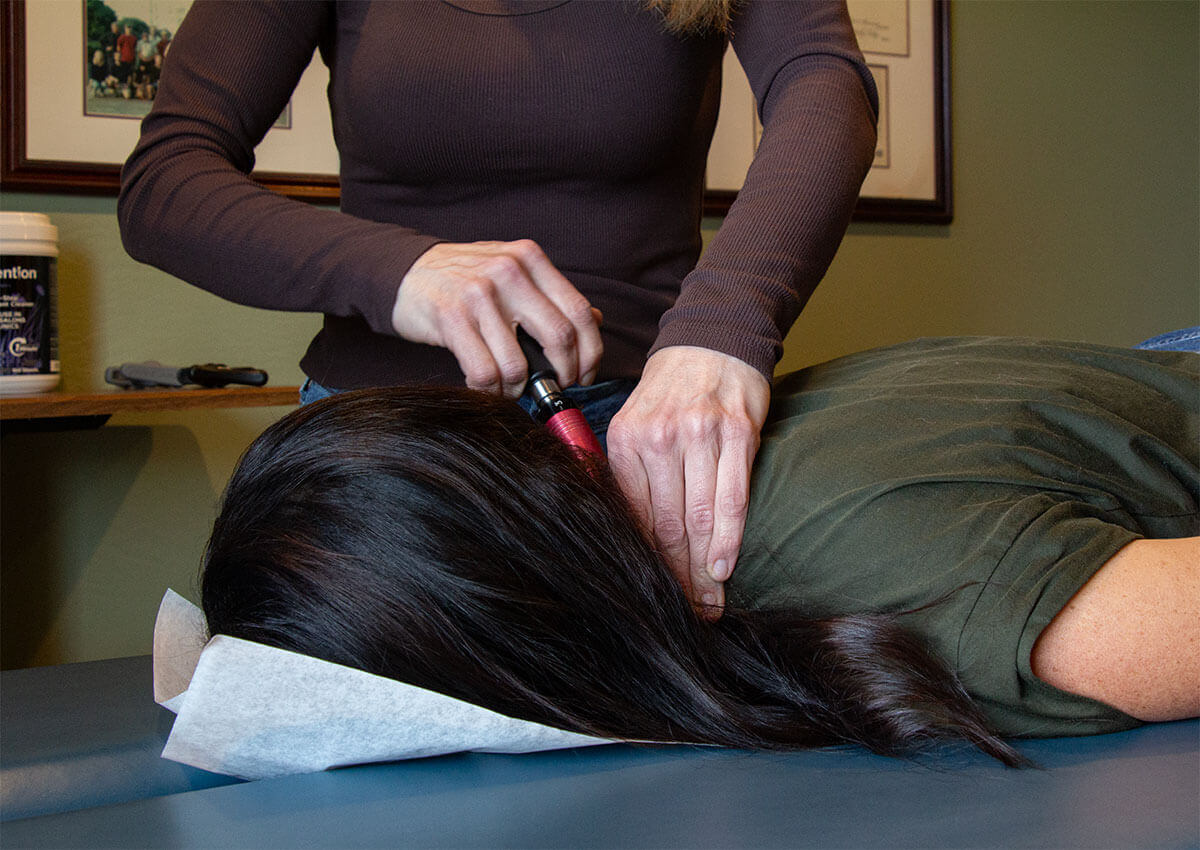
The Activator Method chiropractic technique is an alternative to traditional manual manipulation for treating back and neck pain. The Activator is a spring-loaded, hand-held adjusting instrument that allows a trained chiropractor to target specific areas with accuracy while providing a comfortable experience to patients of all ages.
Why do some chiropractors prefer the Activator Method?
- Speed - The instrument is quick and relatively painless, so the body's muscles are less likely to tense up. Less muscle resistance helps make chiropractic treatment more effective.
- Controlled force - The pressure applied is highly localized and does not involve any bending or twisting that could put the joint or surrounding soft tissue in a compromised position.
Principles to Understand Chiropractic Treatment
Chiropractic care is built on the principle that the body has an incredible, innate ability to heal and adapt when the nervous system is functioning properly. Subluxations are areas of the spine that become restricted or misaligned, putting pressure on the nervous system, altering the communication of the body. Chiropractic adjustments are designed to remove subluxations, restoring communication between the nervous system and the body, allowing the body to heal from the inside out.
Causes of subluxations can include:
- Repetitive motions
- Improper lifting
- Carrying children or heavy bags
- House and yard work
- Poor ergonomics
- Chronic stress
- Chronic illness
- Sleep deprivation
- Poor nutrition
- Sedentary habits
- Obesity
- Trauma
- Auto accidents
- Previous injuries
- Inflammation
- Muscle imbalances
- Growth and aging
- Pregnancy related postural changes
- Hormone Imbalances
- Congenital defects
- Birth trauma
- A breech or transverse position while developing in utero
Nature needs no help, just no interference.
~B.J. Palmer, D.C., Ph.C
Upledger CranioSacral Therapy
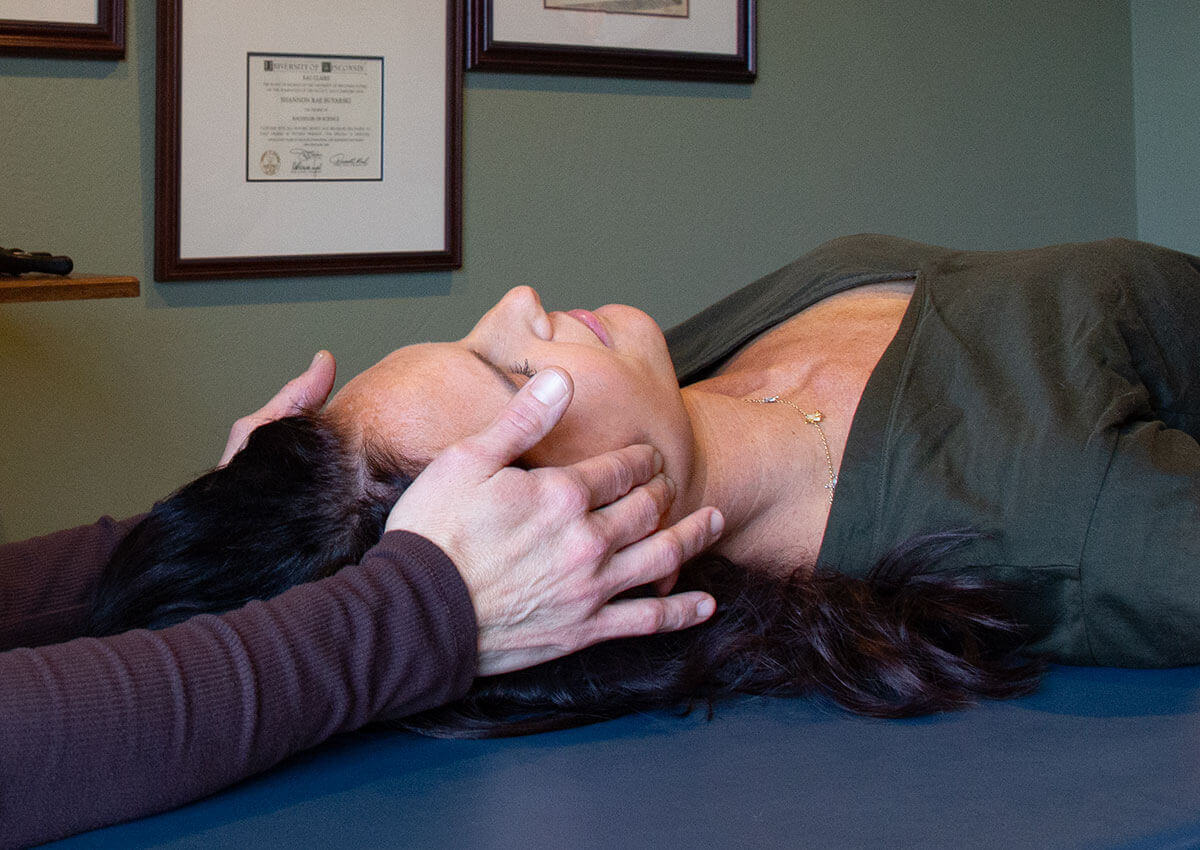
CranioSacral Therapy (CST) was developed between 1975 and 1983 by Dr. John Upledger, an osteopathic physician, clinical researcher and Biomechanics professor at Michigan State University.
Our body's ability to function properly depends on our central nervous system, which is heavily influenced by the craniosacral system - the membranes and fluid that surround, protect and nourish the brain and spinal cord.
CST is a gentle, hands-on method that uses a soft touch (about the weight of a nickel) to release restrictions in the craniosacral system, improving central nervous system, musculoskeletal, circulatory, respiratory, and digestive function. By supporting the immune system and the body's natural healing, CST may provide benefit for people with a wide range of health challenges:
- Chronic Pain and Fatigue
- Anxiety and Depression
- Sleep Disorders
- Post-Traumatic Stress Disorder (PTSD)
- Migraines, Headaches
- Concussion and Traumatic Brain Injury
- Spinal Cord Injuries
- Motor-Coordination Impairment
- Central Nervous System Disorders
- Orthopedic Problems
- Scoliosis
- Immune System Disorders
- Conception, Pregnancy, Birth
- Pediatric Concerns
- Alzheimer's Disease
- Learning Differences, ADD, ADHD
- Autism and Sensory Processing
- Stress and Tension-Related Problems
- Connective-Tissue Disorders including Fibromyalgia
- Temporomandibular Joint Syndrome (TMJ)
- Dental Issues
- Post-Surgical Challenges
- Cancer Treatment Support